Key Takeaways
- Boredom is actually healthy for child development and sparks creativity.
- Parents don’t need to constantly entertain their children or fix boredom immediately.
- Simple responses and boundaries teach kids to manage their own time.
- A prepared list of activities prevents panic when whining starts.
- Teaching kids to embrace boredom builds independence and problem-solving skills.
You’re in the middle of something. Could be work, cooking dinner, or just sitting down for the first time all day. And then you hear it.
“I’m booooored.”
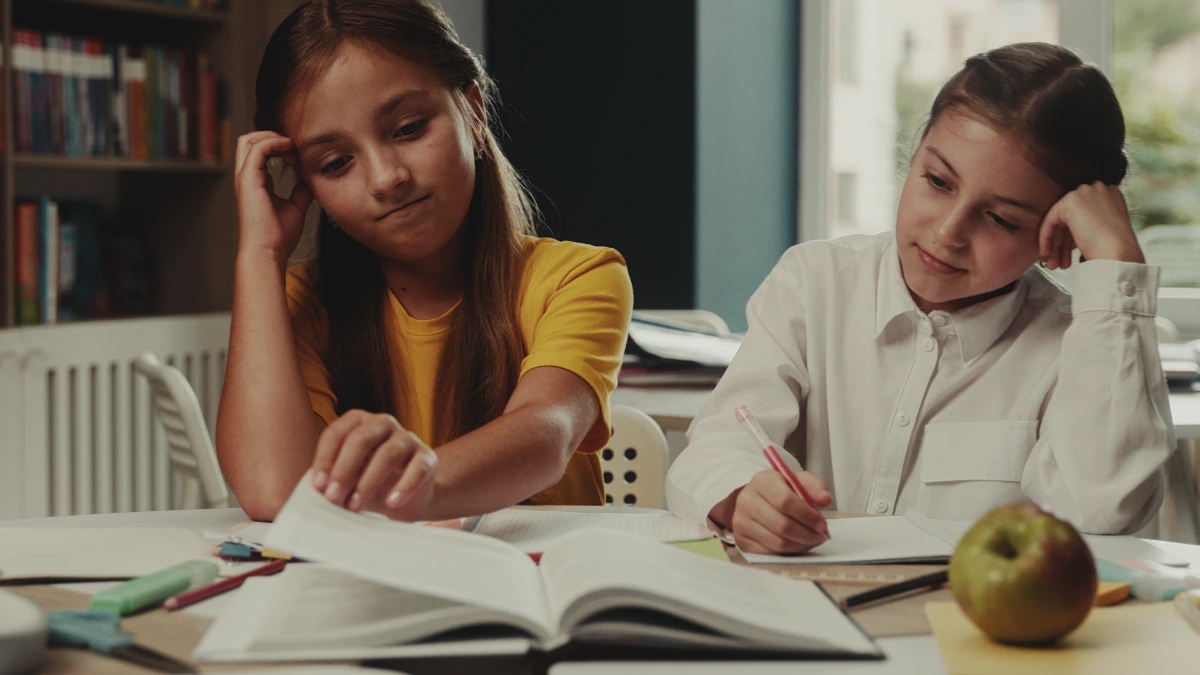
Your kid is staring at you like you’re personally responsible for their entertainment. Like it’s your job to swoop in with the perfect activity that will magically occupy them for the next three hours.
Here’s what most parents do: panic. Scramble for ideas. Suggest seventeen different things. Feel guilty if the kid rejects all of them.
Let’s talk about a better way.
Boredom Is Not an Emergency
First things first: boredom is not a problem you need to solve immediately.
Your kid being bored is not a crisis. It’s not a failure of your parenting. It’s actually a normal, healthy part of childhood that most of us are way too quick to fix.
When kids are bored, their brains are forced to get creative. They have to figure out what to do with themselves. This is where imagination happens. This is where they learn to entertain themselves.
But if you jump in every single time with suggestions and activities, you’re robbing them of that experience. You’re teaching them that boredom is bad and that someone else is responsible for fixing it.
The Default Parent Responses (And Why They Don’t Work)
“Go play with your toys” Kid response: “I don’t want to.”
“Why don’t you read a book?” Kid response: “That’s boring.”
“You could do a craft” Kid response: “I don’t know what to make.”
“Go play outside” Kid response: “There’s nothing to do out there.”
See the pattern? When you suggest things, kids have veto power. They can shoot down every single idea, and now you’re stuck in an endless loop of suggestions and rejections.
You’ve accidentally made their boredom your problem to solve.
What to Say Instead
Here are some responses that actually work:
“That’s okay. Being bored is normal.” This one throws kids off because they expect you to fix it. Just acknowledge the feeling and move on.
“I’m sure you’ll figure something out.” Shows confidence in their ability to solve their own problem.
“Let me know what you decide to do.” Puts the responsibility back on them without being dismissive.
“Boredom means your brain is looking for something interesting. Give it a minute.” Reframes boredom as the starting point for creativity, not a problem.
“I’m busy right now, but you can check the activity list if you need ideas.” More on this in a minute, but having a written list they can reference themselves is a game changer.
The key is not solving it for them. Let them sit with the boredom for a bit. Most kids will find something to do within 10-15 minutes if you don’t rescue them.
Create a “Bored List” They Can Use
Here’s the one thing you should actually do: create a master list of activities your kids can reference when they’re bored.
Write it down. Put it somewhere accessible. When they complain they’re bored, point them to the list.
This serves two purposes:
- You’re not scrambling to think of ideas in the moment
- They learn to solve their own problem by picking something from the list
Your Bored List might include:
- Build a blanket fort
- Do a science experiment
- Draw or color
- Make something with modeling clay
- Read a book
- Play with blocks or Legos
- Create a sensory bin
- Go outside and explore
- Listen to an audiobook or podcast
- Write a story
- Do an art project
- Play a board game
- Build something with cardboard boxes
- Have a dance party
- Try one of these DIY activities
Tailor it to your kids’ ages and interests. The list doesn’t have to be fancy. Mine is literally scribbled on a piece of paper taped to the fridge.
Age-Appropriate Expectations
What you expect from bored kids depends on their age.
Toddlers and Preschoolers (2-5 years) They genuinely need more guidance. “I’m bored” at this age usually means “I need help starting an activity.” You might need to set up a sensory bin or put out art supplies. But once they’re engaged, they can usually play independently for 15-30 minutes.
Early Elementary (6-8 years) These kids can absolutely entertain themselves but often need a nudge to get started. The bored list works great here. They can read it, pick something, and go do it without much help.
Tweens and Teens (9+ years) If your tween or teen is complaining about being bored, that’s on them. They have the cognitive ability to solve this problem. Don’t rescue them. Suggest they check the list, start a project, or just sit with the boredom until inspiration strikes. Learning to manage free time is one of those essential life skills they need before adulthood.
When “I’m Bored” Really Means Something Else
Sometimes “I’m bored” isn’t actually about boredom. It’s code for:
“I want your attention” If your kid has been playing independently for a while, they might just need connection. Five minutes of focused attention often solves the “boredom.”
“I’m hungry or tired” Boredom complaints spike right before meals and near bedtime. Check if basic needs are met first.
“I want screen time” If they’ve been off screens for a bit and suddenly everything is boring, they’re probably just lobbying for tablet time. Hold your boundary. The whining will pass.
“I don’t know how to relax” Some kids (especially overscheduled ones) genuinely don’t know what to do with unstructured time. They need practice being bored and figuring it out.
The Screen Time Connection
Let’s be honest: a huge reason kids complain about being bored is because they’re used to constant digital stimulation.
When you’re used to YouTube, video games, and TikTok, normal activities feel boring in comparison. Real life can’t compete with algorithm-optimized entertainment designed to hijack attention.
This is why establishing healthy screen time boundaries matters. Kids whose days aren’t dominated by screens are much better at entertaining themselves.
If your kid is constantly bored despite having toys, books, art supplies, and a backyard, screen time might be the issue. Try reducing it for a week and see what happens. The first few days will be rough. Then their brains recalibrate and they remember how to play.
Activities That Actually Combat Boredom
When kids do need ideas (or when you want to prevent the boredom complaints), these activities tend to work well:
Open-Ended Creative Projects Give them materials, not instructions. A pile of cardboard, tape, and markers can become anything. Art projects where there’s no right answer tend to hold attention longer than structured crafts.
Messy Sensory Play Kids who are genuinely bored will happily dive into something messy. Water beads, playdough, kinetic sand, or fizzy painting all work.
Building and Construction Legos, blocks, cardboard boxes, cushions for fort-building. The more possibilities, the better.
Outdoor Free Play Just send them outside with no specific activity in mind. Boredom disappears pretty fast when they’re not contained indoors.
Cooking and Baking Kids love being in the kitchen. Let them help make lunch or bake something. It occupies them and teaches useful skills.
When You Actually Should Step In
There are times when you do need to help:
When they’re new to independent play If your kid has never had to entertain themselves, they’ll need coaching at first. Start with short periods (10-15 minutes) and gradually increase.
When they’ve tried several things and nothing is working If they’ve genuinely made an effort and are still struggling, it’s okay to help them get started with something.
When boredom is masking a bigger issue If complaints about boredom are constant and paired with mood changes, it might be worth checking if something else is going on emotionally.
When they’re sick or recovering Bored sick kids need more help because they genuinely have less energy to entertain themselves.
The Long-Term Goal
Here’s what you’re actually teaching when you don’t immediately fix boredom:
- Self-reliance: I can figure out what to do with my time
- Creativity: I can come up with my own ideas
- Problem-solving: When I have a problem, I can solve it
- Delayed gratification: I don’t need instant entertainment all the time
- Comfort with stillness: It’s okay to not be doing something every second
These are skills kids need for life. Adults who can’t handle boredom struggle with everything from career choices to relationships. You’re not being mean by letting them be bored. You’re preparing them for reality.
Real Talk: It’s Annoying
Let’s not pretend this is easy. Kids whining about being bored is genuinely annoying. Especially when you can see a room full of toys and activities right behind them.
It’s tempting to just give them the iPad to make it stop. Or to throw out suggestions until something sticks. Or to feel guilty that you’re not engaging with them every second.
But here’s the thing: your job as a parent is not to ensure your child is entertained at all times. Your job is to raise a functional human who can manage their own time and emotions.
That means letting them be bored sometimes. Even when it’s annoying. Even when they whine. Even when you could easily fix it.
What About Summer and School Breaks?
Boredom complaints spike during school breaks because kids suddenly have huge chunks of unstructured time.
This is actually the perfect opportunity to practice independent play and self-entertainment. Don’t overschedule breaks with camps and activities. Leave space for boredom.
Check out our guide to screen-free activities for breaks for specific ideas, but the principle is the same: give them options, then let them figure it out.
Make Peace with Downtime
We live in a culture that treats every spare moment as something to fill. Kids are scheduled from morning to night with school, activities, homework, and screens.
Boredom is what happens when that constant stimulation stops. And that’s good.
Downtime isn’t wasted time. It’s when creativity happens. When kids process what they’ve learned. When they discover what actually interests them versus what they’ve been told to be interested in.
The next time your kid says “I’m bored,” try responding with “Cool. What are you going to do about it?” and see what happens.
The Bottom Line
Your kid being bored is not your emergency. It’s their opportunity to get creative, figure things out, and learn to manage their own time.
Create a bored list they can reference. Establish clear boundaries around screen time. Then step back and let them figure it out.
Will they whine? Probably. Will they complain that all your suggestions are boring? Definitely. Will they eventually find something to do? Yes.
And in the process, they’ll learn skills that will serve them long after childhood.
So the next time you hear “I’m booooored,” take a breath. Resist the urge to fix it. And remember: boredom is not a bug, it’s a feature.