Reducing plastic waste starts at home, and cleaning is one of the easiest places to make changes that actually last. I’ve tested many of these swaps myself over time, and they work without making cleaning harder or more expensive. You don’t need extreme habits or a zero waste lifestyle to see results. Small shifts in how you clean can cut plastic fast while keeping your home just as clean.
Below are five practical green cleaning hacks that still make sense today and fit into modern routines.
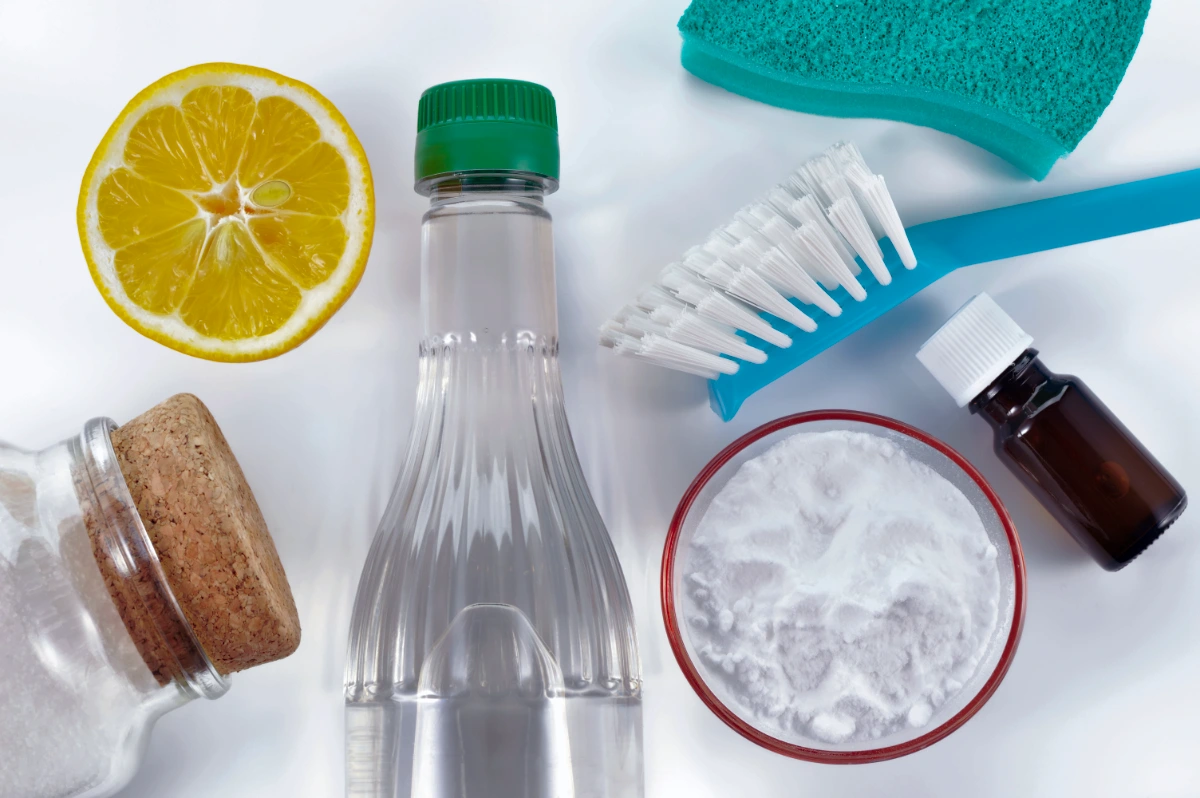
1. Switch to refillable cleaning bottles
Buying new plastic bottles every time you run out of cleaner adds up quickly. Refillable bottles made from glass or stainless steel last for years and reduce the constant stream of plastic waste. Many modern cleaning brands now sell concentrated refills, tablets, or powders that dissolve in water and ship in minimal packaging.
I’ve found this approach cheaper over time and easier to store under the sink since you only keep a few bottles instead of dozens.
Tip: Glass spray bottles hold up better than thin plastic and work well with both DIY cleaners and store bought concentrates.
2. Make your own cleaning products at home
DIY cleaners are still one of the most effective ways to reduce plastic waste and avoid unnecessary chemicals. Simple ingredients like vinegar, baking soda, and castile soap handle most everyday cleaning tasks. You also know exactly what you are using on your surfaces and in the air you breathe.
Homemade cleaners are especially useful for kitchens, bathrooms, and floors where you do not need harsh formulas.
Tip: Store homemade cleaners in reusable glass bottles or jars and label them clearly to avoid confusion.
3. Replace paper towels with reusable cloths
Paper towels and disposable wipes create a steady stream of waste that most people underestimate. Reusable cloths clean better, last longer, and save money over time. Microfiber works well, but old cotton t shirts cut into rags work just as effectively.
Once you get into the habit, reusable cloths feel more convenient than constantly restocking paper products.
Tip: Keep clean cloths in easy reach and toss used ones straight into the laundry to keep things simple.
4. Buy cleaning products in bulk or use refill stations
Bulk buying has become much more accessible in recent years. Many grocery stores and refill shops now offer cleaning concentrates and refill stations where you bring your own container. Concentrated formulas also reduce shipping weight and packaging waste.
This approach cuts down the number of plastic bottles you go through each year and simplifies your cleaning supplies.
Tip: Choose concentrated products that last longer and reduce how often you need to restock.
5. Choose plastic free scrub brushes and sponges
Traditional sponges and scrubbers often shed microplastics as they wear down. Those particles end up in waterways and the environment. Plastic free options made from bamboo, wood, or plant based fibers clean just as well and break down naturally at the end of their life.
Natural loofahs and compostable sponges work especially well for dishes and everyday surface cleaning.
Tip: Let natural sponges dry fully between uses to extend their lifespan.
Reducing plastic waste in your cleaning routine does not require perfection. Start with one or two changes and build from there. Refillable bottles, reusable cloths, and plastic free tools make a real difference over time. These small choices add up and help create a cleaner home with less waste.